
More older adults are traveling solo, and interest in independent senior travel has grown steadily over the past decade. For adult children who work remotely or live far from home, watching a parent plan a solo trip brings genuine admiration alongside real, practical concern about their safety. The distance makes everything feel slightly harder to manage, even when your parent is fully capable and confident.
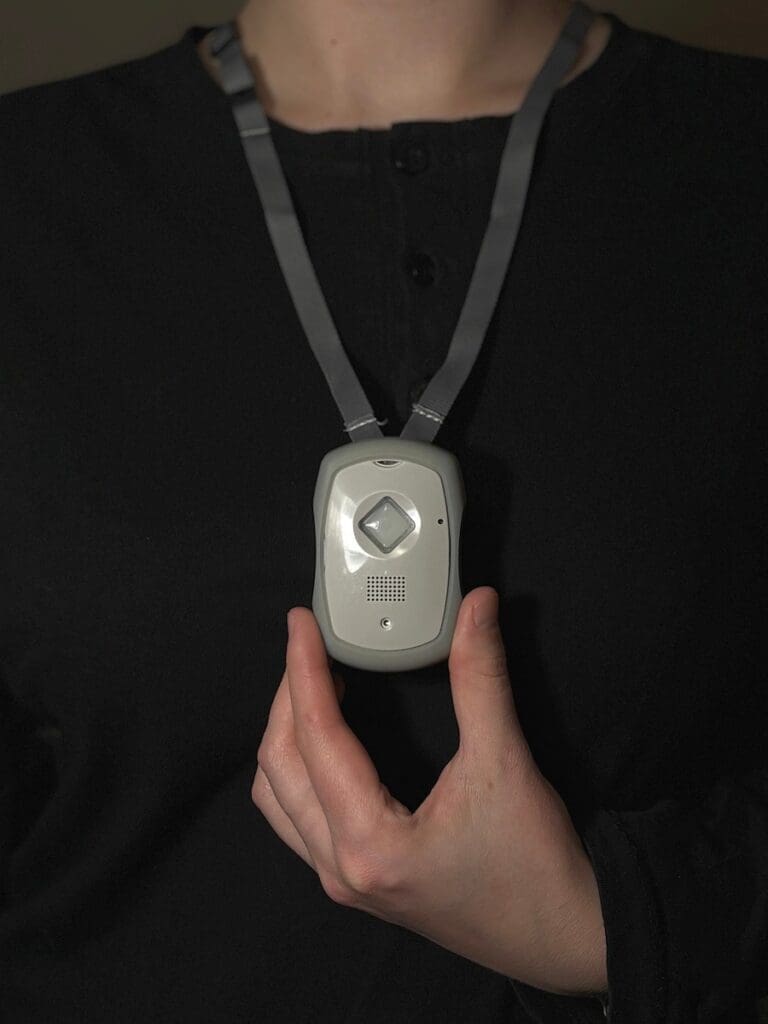
Thoughtful preparation is what makes that kind of independence both safe and realistic. Many families begin by equipping a parent with a safety necklace for seniors that includes GPS tracking, fall detection, and two way voice calling. Getting that piece in place early removes one of the biggest sources of uncertainty before any other planning begins.
Start with an Honest Conversation
Before any bookings happen, sit down and talk about what your parent actually wants from travel. Research from the Centers for Disease Control and Prevention shows that adults over 65 now rank among the largest traveler groups both domestically and internationally, which means more resources and infrastructure exist to support them than ever before. Some older adults prefer loose itineraries and solo road trips through familiar regions. Others feel far more at ease on guided tours with built in companionship and logistical support.
Ask direct questions about physical comfort and daily habits while traveling. Can they manage long walks without rest, or do they need regular breaks throughout the day? Do they handle their own medications independently and with confidence? Are they comfortable using a smartphone for navigation in an unfamiliar city? These answers help you plan around real strengths rather than working around gaps.
Revisit this conversation after each trip your parent takes. Needs shift over time, and a plan that worked well a few years ago may require real adjustments today. Keeping that dialogue open is what prevents small gaps from becoming bigger complications later.
Build a Travel Setup That Reduces Friction
A prepared traveler is a confident traveler, and preparation starts well before departure day arrives. Begin with printed copies of their passport, health insurance cards, and a single page medical summary listing their conditions, medications, dosages, and emergency contacts. Digital backups stored in a shared cloud folder give both of you quick access from any device.
Choose accommodations with mobility in mind from the beginning of the search. Look for properties with elevators, accessible bathrooms, and easy proximity to public transit or taxis. Most major booking platforms include accessibility filters today, which makes the search considerably faster and more focused.
Packing light becomes more important as physical stamina changes over the years. A compact rolling carry on bag removes the baggage wait and reduces strain through long airport terminals. Getting through the departure process without dragging heavy bags makes the whole experience far less physically demanding.
A few items worth confirming before departure:
- Medications in original labeled bottles, a requirement in many international destinations
- Portable charger for their phone and any safety devices
- Emergency contact card stored in a coat pocket or travel wallet
- Offline maps and key destination details downloaded before departure
- Travel insurance documents printed and easy to locate separately from luggage
Choose Safety Tools They Will Actually Wear
The real challenge with any safety device is getting someone to use it consistently. Many older adults resist medical alert devices because they look clinical or feel like an acknowledgment of reduced independence. Modern designs have addressed this considerably over the past few years.
Today’s medical alert necklaces are built to resemble regular jewelry rather than equipment. They connect to monitoring centers through cellular networks, confirm location via GPS, and allow two way voice calls when a button is pressed or when a fall is automatically detected. For a parent in an unfamiliar destination, that combination handles most urgent situations without requiring them to find their phone first.
Comfort and ease of use matter as much as any technical feature on the spec sheet. A device that charges awkwardly or confuses the user will stay in the hotel room precisely when it is needed. Look for options with multi day battery life and confirmed international compatibility before purchasing anything.
Stay Connected Without Hovering
Deciding how often to check in is harder than it sounds at the outset. Too much contact creates tension on both sides and signals a lack of trust in your parent’s judgment. Too little leaves everyone uncertain in a way that generates its own quiet anxiety. Finding the right rhythm takes a trip or two to settle, and that is completely normal.
Set a simple routine together before the trip begins. A brief message or a short call each morning or evening, whatever feels natural for your family, gives both sides a reliable daily reference point. Many families also use a shared location app as a low effort way to stay aware without relying on constant phone calls.
For those who have built flexible remote businesses, having that kind of schedule control means you can actually respond when your parent needs support. That flexibility has real, practical value when family situations change without much advance notice.
Handle Medical Prep Before Departure
Travel disrupts daily routines, and that disruption carries more weight when someone manages chronic conditions or multiple medications each day. A visit with their primary care doctor before any trip is a straightforward and practical first step. Ask specifically about travel restrictions, required vaccinations, and how to manage medications across different time zones.
Research the medical resources available at the destination before they leave home. The U.S. State Department maintains updated country specific health information, including local hospital contacts, emergency procedures, and current health advisories. Download the relevant pages in advance in case connectivity at the destination is unreliable during the trip.
Travel insurance with real medical coverage is not optional when age and existing health conditions are part of the picture. Many standard policies exclude pre-existing conditions entirely, so look carefully for comprehensive plans that include emergency hospitalization and medical transport. A reasonable upfront premium can prevent a much larger financial problem later.
What Sustainable Independence Actually Looks Like
The goal is not to eliminate every possible risk from travel. It is to address the risks that matter most while giving your parent the respect of making their own choices about where they go. That balance looks different for every family, and it shifts as parents get older.
A shorter, familiar trip is the right place to start. A domestic destination or a brief international flight gives everyone a chance to test the systems you have set up and find any gaps before something more involved. Each trip that goes smoothly builds real confidence for the one that comes next.
The families who manage this well over the long term are not the ones who predicted every possible problem ahead of time. They are the ones who communicate clearly, stay adaptable, and treat an aging parent as a capable adult who still has places worth going. For those building location independent careers, supporting that same spirit in a parent is often part of why that path mattered in the first place.
Read Next
Couple’s Vacation Guide to O’ahu, Hawai’i
The Perfect One Week in Bali Itinerary for First-Time Visitors
Ultimate Nias Indonesia Surf and Travel Guide
Top 5 Beaches in Florianopolis, Brasil
Pedra do Telegrafo Hike, Rio de Janeiro: All You Need to Know
Rio de Janeiro vs Florianopolis: Which Brazilian City is Better?
Ultimate Florianopolis Brazil Travel Guide: Surf, Eat, Explore
Praia do Rosa Brazil Travel Guide
Visit Macau: Las Vegas of the East