A few years back, whenever I asked fellow travelers why they were heading somewhere, I’d get one of three answers. Relaxation. Famous landmarks. A break from the office.
I still hear those answers. But when I talk to tour operators, boutique hotel owners, and small outfitters today, they describe something different happening underneath — more of their bookings are built around a single obsession, and the destination ends up almost beside the point.
I’ve seen it firsthand. Flights to Iceland aren’t always about Iceland anymore. Sometimes they’re about puffins, and getting the right angle on one before it dives. Other travelers cross half of Europe chasing a cycling route, book a pottery class in a town they couldn’t have pointed to on a map a year ago, or join a handful of strangers under a dark-sky preserve to learn astrophotography.
For any business that sells travel, that shift matters.
By 2026, passion-based tourism isn’t a niche whispered about in enthusiast forums. It’s a mainstream segment — quietly shaping where people go, how long they stay, what they’re willing to pay for, and which companies end up winning their business.
When the Hobby Picks the Destination
Most travel marketing still starts with a place. Paris, say. Or Japan. Sicily.
Passion-based travel flips that order entirely, and in my experience, that’s exactly where many operators still miss the mark.
A cyclist hunts down the most scenic long-distance route first, then figures out logistics. A surfer tracks swells, not city names. Birders check migration timing before they’ve even opened a flight search tab. And amateur runners — there are far more of them doing this now — fly abroad specifically to run a race, with the marathon as the actual point of the trip rather than a side activity squeezed in.
What this tells me is that the experience now outranks the checklist. For a tour company or a guesthouse, that means the real product is the activity, the expertise, and the access — not just the bed or the bus seat.
Social media plays a part, though maybe not the one people assume. Endless feeds of the same 10 landmarks have, if anything, made those landmarks feel a little less special. Niche online communities, meanwhile, have become the main discovery channel for this kind of traveler, which is why I’d argue the smartest small operators now spend more time in hobby forums and club newsletters than on generic travel ads.
There’s an operational layer underneath all of this, too. Businesses serving specialized travelers tend to run lean, distributed teams: a guide working from a trailhead, a booking coordinator in another time zone, a founder approving deposits from an airport lounge. Each of those connections touches customer passports, payment details, and supplier contracts, often over hotel or café Wi-Fi. That’s why I’ve noticed more outfitters treating a small business VPN as part of their basic setup — it encrypts the whole team’s traffic and lets an owner manage access from one place without hiring a dedicated IT person.
Chasing Passions Instead of Postcards
Photography tourism is probably the clearest example of how far this segment has matured.
Ten years ago, I could have counted the photography workshops abroad on one hand. Now there’s a whole circuit — wildlife photography tours, night-sky expeditions, drone trips, street photography weekends in cities built for exactly that kind of wandering. Every one of those is a product someone designed, priced, and sells.
Same story, different hobby, again and again.
Cooking vacations haven’t gone away, but they’ve gotten remarkably specific. Instead of a generic one-day cooking class, guests now book a full week on regional bread traditions in rural Italy, or on fermentation techniques somewhere in northern Europe. That specificity is what allows a small provider to charge premium rates.
Music lovers build whole itineraries around a single jazz festival, an opera season, or a folk gathering in a village most outsiders have never heard of. Knitting retreats are a thing. So are sketching trips, mushroom-foraging weekends, open-water swim camps, and guided stargazing tours.
Some of it sounds genuinely odd. Honestly, that’s half the appeal — and from a business standpoint, odd often means underserved.
Travelers want a trip that looks like them, not the version of them some glossy brochure invented. The companies that listen are the ones I see collecting repeat bookings.
The Cycling Boom Keeps Rolling
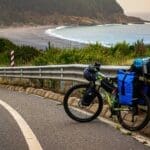
If one passion-led category has gone fully mainstream, it’s cycling.
Europe keeps investing in cycling infrastructure, and a growing list of regions are positioning bike tourism as the sustainable alternative to standard sightseeing. Demand isn’t limited to the Lycra-and-carbon-fiber crowd either. Plenty of casual riders are signing up, looking for something slower and more immersive than the usual itinerary.
Spain, Portugal, Austria, and Italy keep coming up as the strongest markets, largely because the scenery and infrastructure there happen to align unusually well. For bike rental companies, luggage transfer services, and family-run guesthouses along those routes, that translates into steady, repeatable demand. And it isn’t a serious-athletes-only trend anymore. Families are booking. So are people who haven’t been on a bike since they were teenagers.
Cycling trips also slot neatly into a bigger shift: slow travel.
Cross a region by bike over five days, and the whole rhythm — and the economics — of the trip change. Guests stay longer in smaller places, spend more locally, and end up talking to people they’d never have noticed from a train window. I’ve lived this myself, and I’ve written about how slow travel has changed the way I grow my business. The same principle carries over to operators who design for longer, deeper stays.
Not every ride is scenic and effortless, to be clear. Headwinds are still undefeated champions, and the operators who plan routes and support vans around that reality earn better reviews for it.
A Different Kind of Souvenir
Here’s one reason this style of travel is so valuable commercially: the memories last longer than the usual kind, and so does customer loyalty.
I forget most hotel names within a month. I’ve never forgotten spotting a rare bird after a predawn hike, and I doubt anyone forgets crossing the line in their first overseas trail race or pulling a half-decent bowl off the wheel during a pottery weekend in a small Tuscan town.
These trips leave people with stories, not just photos. Stories get retold, and retold stories turn into referrals.
Because hobby travel usually happens in small groups, the social side shifts too. A shared interest strips away much of the stiffness typical of group tours, and the friendships that form often become groups that rebook together the following season.
“Networking” feels like the wrong word for it — too transactional, too LinkedIn. It’s closer to having an easy way in because the enthusiasm is already shared. For a business, that’s a built-in community nobody has to manufacture.
The Boring Part: Logistics
Passion gets the trip booked. Logistics decides whether the customer comes back.
Specialized travel almost always brings extra complexity — literal gear, plus permits, reservations, insurance paperwork, and sometimes equipment worth more than the flight itself. Cyclists, divers, photographers, musicians: they’ve all learned this the hard way at some point, and so have the companies serving them.
In my view, this is where small operators can genuinely set themselves apart. Clear pre-trip checklists covering travel documents, event registrations, insurance, and transport confirmations help prevent unpleasant surprises for guests and last-minute firefighting for staff.
None of this is exciting. It does, however, protect margins and reviews.
Usually.
Is the Traditional Vacation Dying Out?
No. Not even close.
Plenty of travelers will still want beach weeks, city breaks, and trips with no agenda attached. Sometimes doing very little is exactly the point, and there’s a healthy market for that.
Still, the growth of passion-based tourism says something about what customers now expect, and broader numbers point in the same direction. The latest outdoor recreation data from the Bureau of Economic Analysis shows the US outdoor recreation economy accounted for 2.4% of GDP, or $696.7 billion, in 2024, with travel and tourism making up the largest share of that activity.
Travel has always tracked broader shifts in how people see themselves. At a moment when identity is shaped as much by hobbies and communities as anything else, it makes sense that trips would start mirroring that — and that the businesses designing them would need to keep up.
The most telling part, to me, is that these trips rarely start with a map.
They start with curiosity instead — a hobby from years back, or a passing interest that quietly turned into something bigger. For travel businesses, meeting customers at that starting point is the real opportunity.
That’s reason enough to rethink the product.
Read Next
33+ BEST Things to Do in New York City at Night Time (From A Local)!
Ocean Club West Resort Turks and Caicos
Hotel Square Louvois Paris Review
Christmas in New York: Top Things to Do
How to Travel from Boston to New York City
Best Surf Destinations for Longboarders
Tips for First Time Travel to Cuba
5 Day Tokyo Itinerary: How to Spend 5 Days in Tokyo Japan
Dominican Republic in One Week
Tips for Planning a Maldives Vacation
Beaches Close to Manila Philippines (A Local’s Guide)